

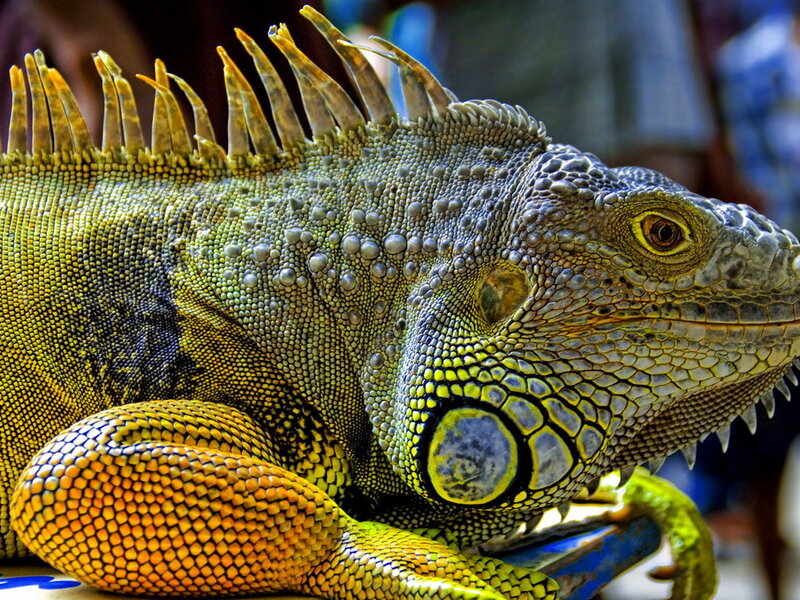
Understanding Reptile Lighting: UVB and Basking Requirements
Proper lighting is one of the most critical aspects of reptile care that new exotic pet owners in Southwest Florida often underestimate. Reptiles are ectothermic animals, meaning they depend entirely on their environment to regulate body temperature, metabolize nutrients, and maintain their immune systems. Without the correct lighting setup, even well-fed reptiles can develop metabolic bone disease, lethargy, loss of appetite, and a host of other serious health issues. Understanding the difference between UVB lighting, basking lights, and ambient lighting is essential for creating a healthy habitat.
At Qualified Pet Services, our professional pet care services include care for exotic pets. Our team understands the specialized needs of reptiles, amphibians, birds, and small mammals that make them so different from traditional pets.
The Science Behind Reptile Lighting
In the wild, reptiles receive the full spectrum of sunlight, including ultraviolet A and ultraviolet B radiation. UVA light influences behavior, activity levels, feeding response, and reproduction. UVB light is essential for the synthesis of vitamin D3, which enables calcium absorption in the digestive tract. Without adequate UVB exposure, reptiles cannot properly metabolize calcium regardless of how much is in their diet. This leads to metabolic bone disease, one of the most common and preventable conditions in captive reptiles.
Different species have vastly different lighting requirements. Desert species like bearded dragons and uromastyx need high-output UVB bulbs positioned close to their basking spots. Tropical species like crested geckos and green tree pythons may need lower levels of UVB but higher ambient humidity. Nocturnal species have reduced but still present UVB needs. Researching your specific species requirements is non-negotiable for responsible reptile ownership. You can find answers to common questions on our FAQ page.
Types of Reptile Lighting Equipment
The reptile lighting market offers several types of bulbs, each serving different purposes. Mercury vapor bulbs provide both heat and UVB in a single unit, making them popular for larger enclosures. Fluorescent tube UVB bulbs come in various strengths and are ideal for providing broad UVB coverage across the length of an enclosure. Compact fluorescent UVB bulbs offer concentrated output in a smaller footprint but may not provide adequate coverage for larger setups.
- Mercury vapor bulbs — Combined heat and UVB output, ideal for desert species requiring intense basking temperatures and high UVB exposure in large terrariums
- Linear fluorescent tubes — T5 HO and T8 options providing broad, even UVB distribution across the enclosure length, with T5 HO being the stronger option
- Compact fluorescent bulbs — Space-efficient UVB sources suitable for smaller enclosures, though coverage area is more limited than tube options
- Ceramic heat emitters — Provide heat without light, useful for nighttime heating when visible light would disrupt the animal natural photoperiod
- LED lighting — Excellent for plant growth and visual display but do not produce UVB and should not be used as a sole lighting source for reptiles
Choosing the right combination depends on your enclosure size, species requirements, and ambient room conditions. For guidance on caring for exotic pets, read about exotic pet sitting and what makes it different.
Setting Up a Proper Lighting Schedule
Reptiles need a consistent photoperiod that mimics their natural light cycle. Most tropical and subtropical species do well with 12 hours of light and 12 hours of darkness. Some species benefit from seasonal variation, with slightly longer days in summer and shorter days in winter, which can also help trigger natural breeding behaviors. Using a reliable timer is essential because inconsistent light cycles cause stress and can suppress immune function.
The positioning of UVB bulbs matters enormously. UVB output decreases significantly with distance, so the bulb must be placed at the manufacturer-recommended distance from the basking surface. Screen mesh tops filter out a substantial percentage of UVB radiation, so adjustments may be needed. Most UVB bulbs need replacement every six to twelve months because their UVB output degrades long before the visible light dims. A UVB meter is a worthwhile investment for any serious reptile keeper.
Common Lighting Mistakes to Avoid
One of the most frequent errors is using a UVB bulb that is either too weak or positioned too far from the animal. Another common mistake is failing to replace UVB bulbs on schedule. The bulb may still appear to work perfectly, emitting visible light, but the UVB output has dropped below therapeutic levels. Without a UVB meter, there is no way to visually verify output, so calendar-based replacement is the safest approach.
Some owners make the mistake of placing UVB bulbs outside of glass or solid plastic enclosure walls. Glass and most plastics block virtually all UVB radiation, rendering the bulb useless for vitamin D3 synthesis. The bulb must be inside the enclosure or above a mesh screen that allows adequate UVB transmission. If you have questions about exotic pet care in Southwest Florida, our experienced team can provide guidance.
Temperature Gradients and Basking Spots
In addition to UVB, reptiles need a thermal gradient within their enclosure. This means one end should be warmer and the other cooler, allowing the animal to thermoregulate by moving between zones. The basking spot should reach the species-appropriate temperature, which varies dramatically. A bearded dragon may need a basking temperature of 100 to 110 degrees Fahrenheit, while a ball python may only need 88 to 92 degrees.
Using a digital thermometer with probes at multiple locations in the enclosure gives you accurate readings. Infrared temperature guns are also useful for spot-checking surface temperatures. Analog stick-on thermometers are notoriously inaccurate and should not be relied upon for precise temperature management. The health consequences of incorrect temperatures include poor digestion, immune suppression, and respiratory infections.
Lighting for Specific Popular Species
Bearded dragons are among the most popular reptiles in Florida and require intense UVB exposure. A T5 HO 10.0 or 12 percent UVB tube spanning at least two thirds of the enclosure length, combined with a basking bulb achieving surface temperatures of 105 degrees, creates an optimal setup. Leopard geckos were historically considered not to need UVB, but modern research shows they benefit from low-level UVB exposure, and keepers who provide it report better coloring, appetite, and activity levels.
Ball pythons need moderate ambient temperatures with a warm side around 88 to 90 degrees and a cool side around 78 to 80 degrees. While their UVB needs are lower than diurnal species, providing low-level UVB has shown benefits in captive studies. Chameleons have high UVB requirements and also need specific basking temperatures that vary by species. Their arboreal nature means vertical placement of lighting and careful attention to distance from the canopy where the animal spends most of its time.
Exotic Pet Care in Southwest Florida
Living in Fort Myers, Cape Coral, or anywhere in Lee County presents unique considerations for reptile keepers. The warm ambient temperatures can be an advantage, reducing heating costs during much of the year. However, air conditioning in Florida homes can create cooler indoor environments than expected, and seasonal temperature drops during winter require supplemental heating for most species. The high humidity typical of Southwest Florida can benefit tropical species but may need management for desert species.
At Qualified Pet Services, our team of veterinary professionals serves pet owners throughout Lee County, including Fort Myers, Cape Coral, North Fort Myers, Lehigh Acres, Estero, and Bonita Springs. Our qualified pet service providers bring real clinical experience to every pet care visit, including care for exotic animals.
Get Professional Pet Care in Southwest Florida
Understanding reptile lighting is an important part of being a responsible exotic pet owner. Whether you need help with daily pet care, vacation pet sitting, or specialized exotic animal services, Qualified Pet Services is here to help. Our veterinary professionals provide the knowledgeable, compassionate care your pet deserves.
Ready to give your pet the best care possible? Schedule a visit and experience the difference that veterinary expertise makes. You can also read our reviews to hear from our satisfied clients across Southwest Florida.